



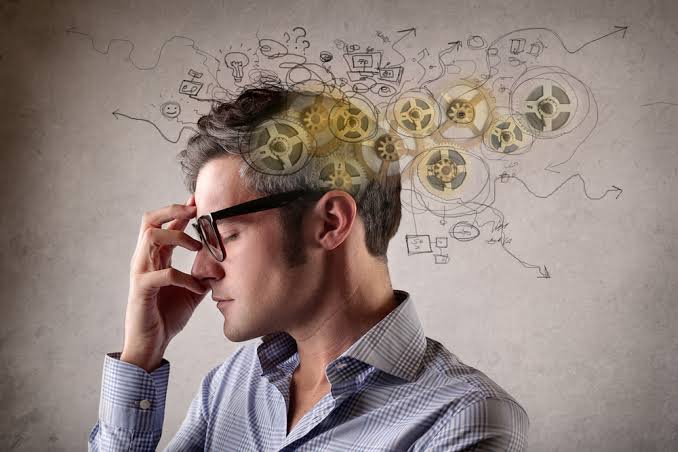
You know that feeling when your mind refuses to settle down? When thoughts cascade over each other like a waterfall you can’t turn off? Maybe it happens at 3 a.m. when you’re staring at the ceiling, or during the day when you’re supposed to be focusing on work but instead you’re spiraling through worst-case scenarios. For many people dealing with anxiety, this mental chaos becomes so unbearable that they reach for something—anything—to make it stop.
What starts as an occasional drink to take the edge off or a prescription medication to help you sleep can gradually become something more complicated. The relationship between anxiety and substance use isn’t simple, and it’s definitely not something you should feel ashamed about. Understanding how these two conditions intertwine can help you recognize patterns in your own life and make choices that support your genuine wellbeing rather than just masking symptoms.
Why Your Brain Seeks Relief (And Why That Makes Perfect Sense)
Let’s be real: anxiety feels terrible. It’s not just “worrying too much” or “being stressed.” Anxiety can manifest as physical sensations—tightness in your chest, difficulty breathing, nausea, trembling hands, or that awful feeling like something catastrophic is about to happen even when logically you know you’re safe. When you’re experiencing these symptoms regularly, your brain naturally searches for solutions.
Substances that affect your central nervous system can provide immediate, tangible relief from anxiety symptoms. Alcohol, for instance, enhances the effects of GABA, a neurotransmitter that helps calm neural activity. Benzodiazepines work similarly, which is why they’re prescribed for anxiety disorders. Cannabis can create a sense of relaxation and distance from worries. Even stimulants, paradoxically, can help some people feel more in control of their racing thoughts by providing a sense of focus.
The problem isn’t that you’re weak or making poor choices—the problem is that these solutions work in the short term. They really do make you feel better, at least temporarily. That’s what makes the pattern so difficult to recognize and even harder to break. Your brain learns that substance equals relief, and that learning happens at a deep, neurological level that operates below conscious decision-making.
The Cycle That Sneaks Up on You
Here’s how the pattern typically unfolds, though your experience might look different: You have a particularly anxious day or week. Maybe there’s a stressful situation at work, a relationship conflict, or just one of those periods where your anxiety seems to amp up for no clear reason. You have a few drinks one evening and notice that your mind finally quiets down. You sleep better than you have in weeks.
The next time anxiety spikes, you remember that relief. So you reach for that same solution again. And again. Gradually, what was occasional becomes regular. What was one drink becomes three. What was only on weekends becomes most evenings. Meanwhile, your anxiety isn’t actually improving—in fact, it’s often getting worse.
This happens because substances that provide short-term anxiety relief often increase anxiety over time. Alcohol, for example, disrupts your sleep architecture even though it helps you fall asleep initially. Poor sleep makes anxiety worse. Alcohol also affects serotonin and other neurotransmitters involved in mood regulation, creating a neurochemical environment that’s more prone to anxiety. When the effects wear off, you often experience rebound anxiety that’s more intense than what you started with.
With benzodiazepines, tolerance develops quickly, meaning you need more to achieve the same calming effect. Your brain adjusts to the presence of the substance, and your baseline anxiety level actually increases. Stopping becomes difficult because withdrawal can trigger severe anxiety—sometimes worse than anything you experienced before starting the medication.
The Hidden Mental Health Crisis
What makes this situation particularly challenging is that many people don’t realize they’re dealing with co-occurring disorders—the clinical term for when substance use issues and mental health conditions exist simultaneously. You might think your primary problem is anxiety and that substance use is just your way of coping. Or you might focus on the substance use without recognizing the underlying anxiety that’s driving it.
Research shows that co-occurring disorders are incredibly common. According to the Substance Abuse and Mental Health Services Administration, about 9.2 million adults in the United States experience both a mental health disorder and a substance use disorder in a given year. Anxiety disorders are among the most frequent mental health conditions that co-occur with substance use issues.
The challenge with co-occurring disorders is that each condition can make the other worse, creating a feedback loop that’s difficult to interrupt. Your anxiety drives substance use, which temporarily reduces anxiety but ultimately increases it, which drives more substance use. Breaking this cycle requires addressing both issues simultaneously rather than treating them as separate problems.
Recognizing the Signs in Your Own Life
You might be wondering whether your own patterns cross the line from normal stress relief into something more concerning. Here are some questions to consider honestly:
Do you find yourself using substances specifically to manage anxiety, stress, or intrusive thoughts? Has the amount or frequency gradually increased over time? Do you feel more anxious on days when you don’t use substances? Have you tried to cut back and found it more difficult than expected? Do you sometimes use more than you initially intended? Has your substance use affected your relationships, work, or other responsibilities?
If you’re answering yes to several of these questions, it doesn’t mean you’re a bad person or that you’ve failed somehow. It means your brain has learned a pattern that made sense given the circumstances, but that pattern may now be creating more problems than it solves. Recognizing this is actually a sign of strength and self-awareness, not weakness.
What Your Body Goes Through
When you’ve been using substances regularly to manage anxiety, your body and brain adapt in significant ways. Your nervous system adjusts its baseline functioning to account for the regular presence of the substance. Neurotransmitter systems recalibrate. Your brain’s reward circuitry changes. These aren’t character flaws—they’re physiological adaptations.
This means that stopping substance use isn’t just a matter of willpower or deciding to quit. Your body needs time and often medical support to readjust. Withdrawal from certain substances, particularly alcohol and benzodiazepines, can actually be medically dangerous and should never be attempted without professional guidance. Even withdrawal from substances that aren’t life-threatening can be extremely uncomfortable and can trigger intense anxiety, which is why many people struggle to stop on their own.
Medical detoxification provides supervised support during this vulnerable period. For people in the Portland area dealing with both substance dependence and anxiety, programs like detox portland offer medically supervised withdrawal management that addresses both the physical aspects of detox and the underlying mental health concerns. This kind of comprehensive approach recognizes that you can’t successfully address substance use without also treating the anxiety that may have contributed to it in the first place.
Beyond Just Stopping: Healing the Underlying Anxiety
Here’s something important that often gets overlooked: successfully stopping substance use is only part of the solution. If the underlying anxiety isn’t addressed with effective treatment, you’re left vulnerable to returning to old patterns when stress inevitably occurs.
Effective anxiety treatment involves multiple components. Therapy approaches like Cognitive Behavioral Therapy (CBT) help you identify and change thought patterns that fuel anxiety. Exposure-based therapies gradually help you build tolerance for anxiety-provoking situations rather than avoiding them. Mindfulness practices teach you to observe anxious thoughts without getting swept away by them. Medication, when appropriate, can help stabilize your nervous system while you develop other coping skills.
The key is finding alternatives that actually work for managing anxiety—not just being told to “stop using substances” without being given real tools to handle the feelings that drove you to use them in the first place. This is why integrated treatment that addresses both substance use and mental health simultaneously tends to be more effective than treating either issue in isolation.
Building a Life That Supports Your Mental Health
Recovery from co-occurring anxiety and substance use isn’t just about what you stop doing—it’s about what you start doing. It involves building a life that supports mental health through multiple channels: physical health, social connection, meaningful activity, and effective stress management.
Physical health forms a foundation for mental wellbeing. Regular sleep, nutritious food, and movement all affect your nervous system’s baseline anxiety level. When you’re sleep-deprived, malnourished, or sedentary, your body exists in a more stressed state, making anxiety worse and recovery harder. This isn’t about becoming a perfect health specimen—it’s about basic self-care that supports your nervous system.
Social connection matters enormously. Isolation feeds both anxiety and substance use, while genuine connection with others who understand what you’re going through can be profoundly healing. This might mean therapy groups, mutual support meetings, or simply building relationships with people who support your recovery rather than your substance use.
Meaningful activity gives your mind something to focus on besides anxiety and cravings. This could be work, creative pursuits, volunteering, learning new skills, or any activity that engages you and provides a sense of purpose. When your days feel empty or purposeless, anxiety and thoughts about using substances tend to fill that space.
The Medication Question
Many people with co-occurring anxiety and substance use disorders wonder about medication. If benzodiazepines or alcohol were part of the problem, does that mean you can never take medication for anxiety? Not necessarily, but it does mean medication decisions need to be made carefully with full awareness of your history.
Several medications can help with anxiety without carrying high addiction potential. SSRIs and SNRIs, commonly used for depression, are also effective for many anxiety disorders and aren’t addictive. Buspirone is an anti-anxiety medication that works differently from benzodiazepines and doesn’t create dependence. Hydroxyzine can help with acute anxiety without addiction risk. Beta-blockers can reduce physical anxiety symptoms in specific situations.
The key is working with a prescriber who understands both addiction and mental health, who can help you weigh the benefits and risks of different medications in the context of your specific situation. Medication can be a valuable tool, but it works best as part of a comprehensive treatment approach rather than as a standalone solution.
What Actually Helps: Evidence-Based Approaches
Research has identified several approaches that are particularly effective for co-occurring anxiety and substance use disorders. Integrated treatment that addresses both conditions simultaneously tends to work better than sequential treatment (treating one condition first, then the other). This makes sense because the conditions influence each other—you can’t fully address one while ignoring the other.
Cognitive Behavioral Therapy has strong evidence for treating both anxiety and substance use. CBT helps you identify the thoughts and beliefs that fuel anxiety and cravings, then develop more helpful ways of thinking and responding. For anxiety, this might involve challenging catastrophic thinking patterns. For substance use, it might involve identifying triggers and developing alternative responses.
Dialectical Behavior Therapy, originally developed for borderline personality disorder, has proven effective for people with co-occurring disorders. DBT teaches specific skills for managing intense emotions, tolerating distress without making it worse, and navigating interpersonal situations more effectively. These skills directly address many of the challenges that arise in recovery from both anxiety and substance use.
Motivational interviewing helps people explore their ambivalence about change and develop their own reasons for making changes rather than being told what to do. This approach respects that you’re the expert on your own life and that lasting change comes from internal motivation rather than external pressure.
The Long Game: What Recovery Actually Looks Like
It’s important to have realistic expectations about recovery. Movies and TV shows often portray recovery as a dramatic transformation where someone hits rock bottom, gets treatment, and emerges completely changed with all their problems solved. Real recovery is usually messier and more gradual.
In the early stages, you’re often dealing with physical symptoms of withdrawal, intense cravings, and anxiety that may temporarily worsen before it improves. This is the period when support is most critical and when many people struggle. Having professional support, whether inpatient, residential, or intensive outpatient, can make the difference between pushing through this difficult phase and returning to old patterns.
As you move further into recovery, the focus shifts from just staying abstinent to building a life you don’t want to escape from. This involves addressing the underlying issues that contributed to both anxiety and substance use—maybe trauma, relationship problems, work stress, or existential questions about meaning and purpose. It involves developing genuine coping skills for managing difficult emotions. It involves building relationships and routines that support your wellbeing.
Recovery isn’t linear. Most people experience setbacks, and these don’t mean you’ve failed or that treatment doesn’t work. They’re opportunities to learn what triggered the setback and what you need to do differently going forward. The goal isn’t perfection—it’s progress and developing the ability to get back on track when you stumble.
Finding Your Path Forward
If you’re reading this and recognizing yourself in these patterns, you might be wondering what to do next. The first step is simply acknowledging that you’re dealing with both anxiety and substance use, and that these issues are connected. You don’t have to have everything figured out or be “ready” to make massive changes. You just need to be willing to take one small step.
That step might be talking honestly with your doctor about what you’ve been experiencing. It might be reaching out to a therapist who specializes in co-occurring disorders. It might be calling a treatment program to ask questions about what options exist. It might be attending a support group meeting just to listen. Whatever feels manageable for you right now is the right next step.
Remember that seeking help isn’t admitting defeat—it’s demonstrating courage and self-awareness. It’s recognizing that you deserve support in addressing these challenges rather than struggling alone. Anxiety and substance use are both treatable conditions. You don’t have to live with constant mental chaos or depend on substances to feel okay. There are paths forward, and there are people who specialize in helping others navigate these paths.
Your anxiety makes sense given your experiences. Your attempts to manage that anxiety with substances make sense given how difficult anxiety is to live with. And your desire for something better—for a life where you feel genuinely calm rather than just temporarily numbed—makes perfect sense too. That desire is worth honoring with real, effective support that addresses both the substance use and the underlying mental health concerns driving it.
You’re Not Alone in This
Millions of people struggle with the intersection of anxiety and substance use. It’s one of the most common combinations of co-occurring disorders, yet people often feel isolated in their experience. They worry that others won’t understand why they can’t just “stop drinking” or “quit taking pills” without recognizing the anxiety that makes stopping feel impossible.
The truth is that recovery communities are full of people who understand exactly what you’re going through because they’ve lived it themselves. Therapists who specialize in co-occurring disorders have helped countless others navigate this same terrain. Treatment programs have developed expertise in addressing both issues simultaneously. You’re not the first person to face this combination of challenges, and you won’t be the last. There’s a whole infrastructure of support available once you reach out for it.
Your story doesn’t have to end with anxiety and substance use defining your life. With appropriate support, you can develop healthier ways of managing anxiety, break free from dependence on substances, and build a life that feels genuinely worth living rather than just bearable. That possibility exists for you, regardless of how long you’ve been struggling or how hopeless things might feel right now. The path forward starts with recognizing that you deserve comprehensive care that addresses all aspects of what you’re experiencing—not just the symptoms, but the underlying causes and the life circumstances that contribute to both anxiety and substance use.
Take that first step, whatever it looks like for you. Reach out. Ask questions. Explore options. You don’t have to commit to anything huge right now—just open the door to possibility. Your future self will thank you for having the courage to start.
